What is the Glycaemic Index (GI) — the precise definition and how it’s measured
The Glycaemic Index (GI) is a physiological ranking of carbohydrate-containing foods by how much they raise blood glucose compared with a reference food (glucose or white bread). The standard testing protocol:
- Volunteers consume a portion of the test food that contains 50 g of available (digestible) carbohydrate (some protocols use 25 g for certain foods).
- Blood glucose is measured over 2 hours after ingestion (baseline and then at multiple time points).
- The area under the glucose response curve (AUC) for the test food is compared to the AUC after the reference (usually pure glucose = 100).
- GI = (AUC_test_food / AUC_reference) × 100.
Foods are commonly categorized: Low GI ≤55; Medium 56–69; High ≥70. The University of Sydney / Glycemic Index Research Service maintains the international GI database and is the primary resource for measured values.

Glycaemic Index (GI) vs Glycaemic Load (GL) — why both matter
- GI tells you the speed and relative magnitude of blood glucose rise per gram of carbohydrate.
- Glycaemic Load (GL) adjusts GI for the amount of carbohydrate in a realistic portion.
GL formula:
GL = (GI × grams of available carbohydrate per serving) / 100
Example: Watermelon has a high GI (~72) but a low carbohydrate content per serving, so its GL per typical serving is low — meaning the actual blood glucose effect per serving is modest. For practical meal planning, GL helps you estimate the real impact of a serving size. The GI database lists both GI and GL values for many foods.
Physiological reasons low-GI foods blunt glucose spikes
Low-GI foods are digested/absorbed more slowly or contain carbohydrates that produce lower blood glucose responses for reasons such as:
- High fibre (especially soluble fibre) slows gastric emptying and enzymatic access.
- Physical structure / intact cell walls (e.g., whole grains, legumes) slow starch availability.
- Protein and fat in the meal delay gastric emptying and blunt glucose peaks.
- Resistant starch (formed in cooled cooked starches) resists digestion in the small intestine.
Food processing and particle size — finely milled flours and instant cereals raise GI.
Understanding these mechanisms helps design meals that minimize acute glucose excursions
Evidence: does a low-GI diet improve long-term glycaemic control?
Short answer: Yes — the balance of randomized controlled trials and meta-analyses show modest but clinically meaningful improvements in glycaemic control (including HbA1c) with low-GI dietary patterns compared with higher-GI or usual diets in people with diabetes. Major recent systematic reviews and meta-analyses conclude low-GI patterns reduce HbA1c and improve other cardiometabolic risk factors.
Practical interpretation:
- Expected average reduction in HbA1c varies across studies but is typically in the range ~0.2–0.5% in many trials comparing low-GI vs higher-GI patterns — clinically useful when combined with other therapies.
- Low-GI interventions also tend to improve fasting glucose, postprandial glycaemia, and markers like triglycerides in some trials. The certainty varies by outcome and population, but the overall evidence supports including low-GI choices as part of medical nutrition therapy for diabetes.
Which foods are reliably low GI — practical, categorized list
Tip: refer to the Glycemic Index database (University of Sydney) for measured GI values of specific products/brands.
Low GI (≤55) — commonly measured examples
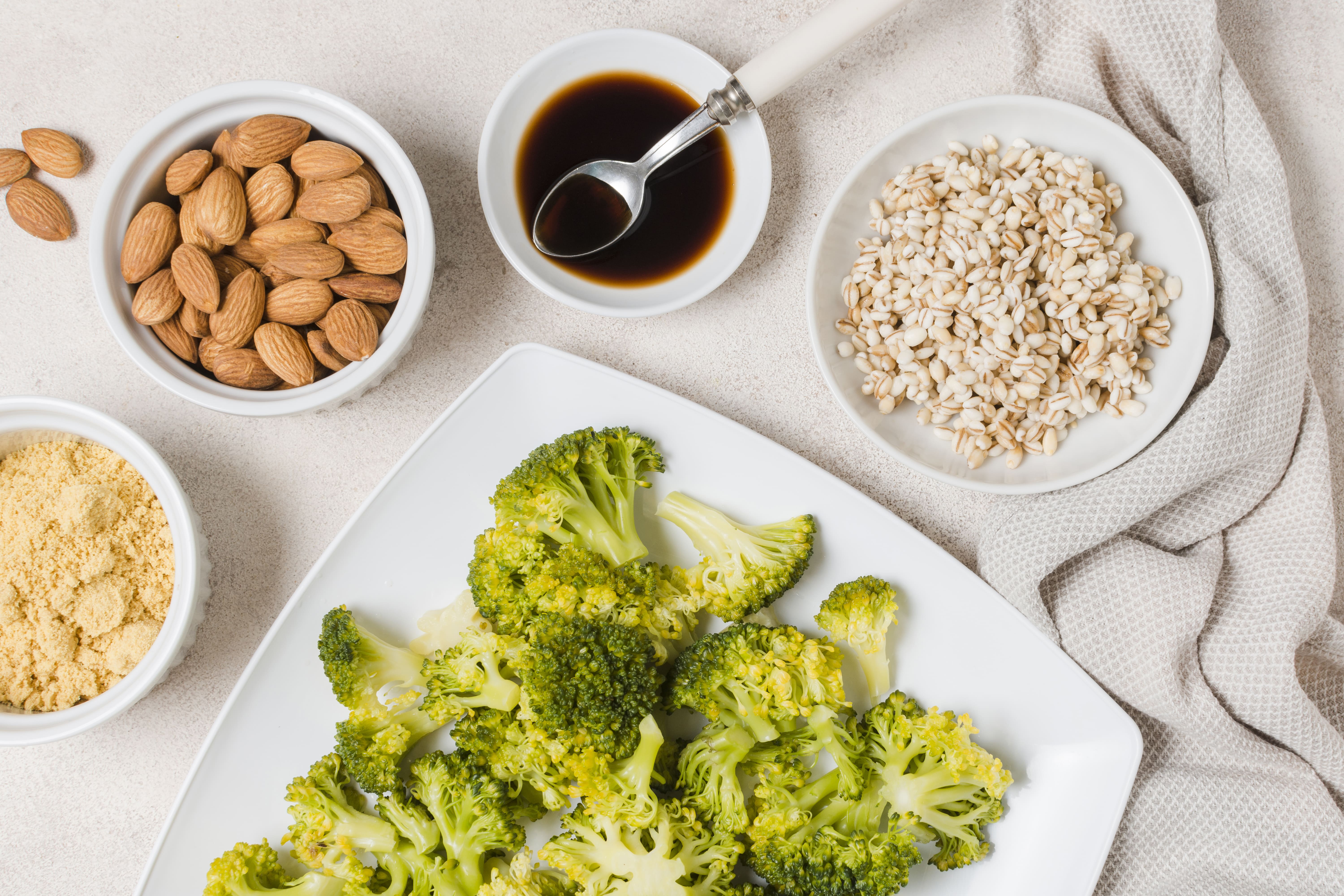
- Legumes: lentils (red/green), chickpeas, kidney beans.
- Whole, minimally processed grains: steel-cut oats, barley, whole grain pasta (al dente), quinoa.
- Some rice variants: brown basmati (lower than jasmine white).
- Most non-starchy vegetables and most whole fruits (apples, pears, berries, oranges).
- Dairy: milk and plain yogurt tend to have low/moderate GI due to lactose and protein.
- Nuts & seeds — negligible glycaemic effect (virtually zero glycaemic load per usual serving).
Medium / High GI — watch these
- High GI: jasmine white rice, white bread, potatoes (baked/mashed), many instant breakfast cereals, watermelon (fruit example).
Processing raises GI: instant oats > rolled oats; finely milled white flour > coarse wholegrains.

How cooking and combinations change GI — practical rules
- Cooked + cooled starchy foods (e.g., boiled potatoes, rice, pasta cooled and eaten cold or reheated) form more resistant starch, reducing effective GI.
- Al dente pasta has lower GI than overcooked soft pasta.
- Adding protein, healthy fats, or fibre to a meal lowers the combined postprandial glycaemic response. Example: rice + chicken + vegetables is less glycaemic than same amount of rice eaten alone.
Ripeness matters: riper bananas have higher GI than green ones.
Using a CGM to personalise low-GI choices — the new gold standard for feedback
CGM (Continuous Glucose Monitoring) lets you see actual glucose responses to specific meals — which matters because individual glycaemic responses vary. A meal classified low-GI in the database may still produce a larger than expected glucose rise in one person (due to microbiome, insulin sensitivity, prior meals, sleep, stress). Practical CGM workflow:
- Establish a baseline with your usual breakfast for 3 days.
- Replace the breakfast with a proposed low-GI option (e.g., steel-cut oats + nuts) and monitor the 2-hour postprandial glucose curve for several days.
- Compare Peak glucose, Time above range, and area under curve.
- Iterate (modify portion size, add protein/fat) to minimize peaks.
Using CGM data accelerates personalization and shows what actually works for you — turning population GI data into individualised nutrition. (This is especially useful for people on insulin or with high glucose variability.)

Common pitfalls & myths
- “Low GI = always healthy” — false. Some low-GI foods are calorie-dense or high in saturated fat (e.g., some chocolate); consider overall nutrient profile.
- “Count GI, forget portions” — dangerous. Large portions of low-GI carbs still produce glycaemic load and can raise glucose.
- “GI is fixed for a food” — partly false. GI varies by variety, ripeness, processing, cooking method, and individual response. Always use GI as a tool, not an absolute law.
How clinicians & Australian guidelines position GI in diabetes care
Australian diabetes resources and diabetes organisations present GI as a useful tool in carbohydrate quality selection. Diabetes Australia and related national resources recommend focusing on carbohydrate type and portion, and note that lower-GI choices can help manage blood glucose levels and satiety. The Glycemic Index Foundation and University of Sydney provide the measurement infrastructure and food lists used by health professionals in Australia. Diabetes AustraliaWelcome to the GI Foundation
Example mini case (illustrative, not medical advice)
Patient: 58-year-old with type 2 diabetes, HbA1c 7.8% on metformin.
Intervention: Replace white bread breakfast with steel-cut oats + berries + nuts; replace jasmine rice dinners with brown basmati; add one extra serving of legumes per week; monitor with CGM for 4 weeks.
Expected changes (based on RCT meta-analyses): modest HbA1c improvement (≈0.2–0.5%), reduced postprandial spikes, improved satiety and possible small weight benefit when calorie intake is maintained or reduced. Clinical follow-up and medication adjustment should be done by the treating clinician. BMJ
Conclusion — evidence + personalised monitoring = best outcome
Low-GI food choices are a scientifically grounded, practical strategy to reduce postprandial glucose excursions and help long-term glycaemic control. Combine population-level guidance (e.g., GI databases and Australian health bodies) with individual monitoring (CGM or structured glucose testing) to personalise and optimise results. glycemicindex.comBMJ